
Unveiling the truth Common gambling myths and their realities
Understanding Gambling Myths
The world of gambling is often shrouded in misconceptions that can mislead both novice and experienced players. Common myths arise from a mix of cultural beliefs, anecdotal evidence, and misunderstanding of probability. For instance, one prevalent myth is that certain games offer better odds than others, leading players to focus on those games in hopes of increasing their chances of winning. In reality, each game has its own statistical probabilities that are not influenced by individual play or luck. Many individuals are now exploring real money online casinos for their gaming experience, believing these platforms might have a different set of odds.
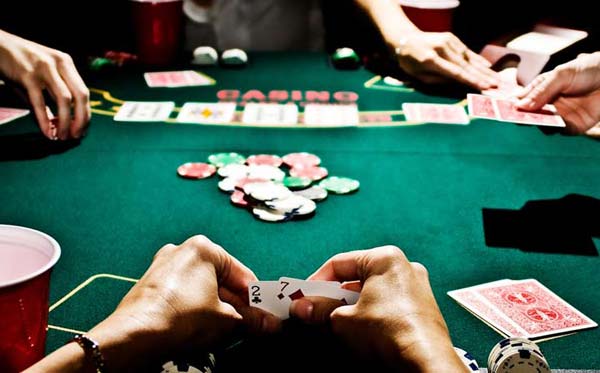
Another widespread belief is that gamblers can develop a “system” to beat the odds. This notion often stems from the idea that luck can be predicted or controlled. However, most gambling outcomes, especially in games of chance, are purely random, making such systems fundamentally flawed. Recognizing these myths is essential for anyone looking to engage in gambling responsibly.
Myth vs. Reality: Slot Machines
Slot machines are often surrounded by myths, particularly regarding their payout structures. Many players believe that a machine is “due” for a payout after a series of losses. This misconception can lead to prolonged play and increased betting, as players chase the idea of an impending win. In truth, each spin on a slot machine is an independent event, governed by random number generators. The outcomes are not affected by previous spins, making the notion of a “due” payout entirely inaccurate.
Beliefs About Winning Strategies
Many gamblers hold onto the belief that certain strategies can guarantee wins, particularly in games like poker or blackjack. While skill does play a role in these games, especially in poker where player psychology is involved, there is no foolproof strategy that can ensure victory every time. The reality is that elements of chance are always present, regardless of a player’s experience or skill level.
The Role of Luck and Skill
While luck is an undeniable factor in gambling, skill can also play a significant role in certain games. For instance, in games like poker, understanding the nuances of the game can lead to better decision-making and potentially increased winnings. However, many players mistakenly attribute their successes solely to skill, ignoring the significant role luck plays in outcomes, especially over the short term.

Information and Resources from JudicialSelection.us
For those seeking to better understand gambling, as well as the legal aspects surrounding it, resources such as JudicialSelection.us can provide valuable insights. This website focuses on judicial selection processes, which can encompass laws and regulations related to gambling in various jurisdictions. Understanding the legal landscape is crucial for anyone engaged in gambling activities, as it can impact everything from operational standards at casinos to the rights of players.
“`

